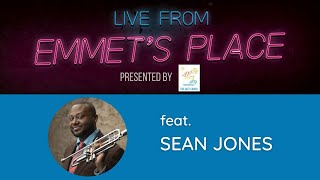
Tadd Dameron's bebop classic brings the evening's most harmonically dense material, with the contrafact built on Cole Porter's What Is This Thing Called Love providing a challenging framework at 140 BPM. Jones takes three choruses on trumpet, Cohen follows with three on piano, and Hall adds a single-chorus bass solo. The eight-minute performance keeps the solo lengths relatively contained compared to the extended blowing elsewhere in the set, perhaps reflecting the demands of navigating Dameron's sophisticated reharmonization of Porter's changes. Dameron composed Hot House in 1945, and the Dizzy Gillespie and Charlie Parker recording from that same year at Town Hall became one of the defining documents of the bebop revolution. The tune's distinctive melody and harmonic vocabulary remain a benchmark for jazz musicians. Following the waltz feel of Jitterbug Waltz, the return to four-four swing with bebop harmony shifts the evening's focus from rhythmic exploration to harmonic complexity.