
Blue in Green
Miles Davis and Bill Evans
Composer10 bars
FormSearch Blue in Green lead sheets:


Recordings & Segments
2021
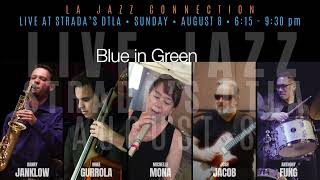
Blue In Green
LA Jazz Connection - 2021
2008

Blue In Green
Night Songs - Jonathan Kreisberg - 2008
1959

Blue in Green
Kind of Blue - Miles Davis - 1959
Solos
Acoustic Bass

Michael Gurrola - Acoustic Bass solo - 2021
4/4 funk in D minor at 98 bpm
Alto Sax

Danny Janklow - Alto Sax solo - 2021
4/4 funk in D minor at 101 bpm
Electric Guitar

Jonathan Kreisberg - Electric Guitar solo - 2008
4/4 ballad in A minor at 61 bpm

Josh Mellicker - Electric Guitar solo - 2021
4/4 funk in D minor at 94 bpm
Piano

Bill Evans - Piano solo - 1959
4/4 ballad in D minor at 57 bpm
Bill Evans - Piano solo - 1959
4/4 ballad in D minor at 116 bpm
Tenor Sax

John Coltrane - Tenor Sax solo - 1959
4/4 ballad in D minor at 57 bpm
Trumpet

Miles Davis - Trumpet solo - 1959
4/4 ballad in D minor at 28 bpm