
Mac The Knife
Kurt Weill
Composer16 bars
FormSearch Mac The Knife lead sheets:


Recordings & Segments
2021
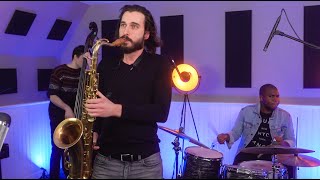
Mac The Knife
Live Stream Residency - Chad LB Quartet - 2021
2019

Mack The Knife
Quartet Sessions - Chad Lefkowitz-Brown - 2019
1956

Moritat
Saxophone Colossus - Sonny Rollins - 1956
Solos
Acoustic Bass

Doug Watkins - Acoustic Bass solo - 1956
4/4 swing in B♭ major at 158 bpm
Drums

Max Roach - Drums solo - 1956
4/4 swing in B♭ major at 165 bpm
Piano

Holger Marjamaa - Piano solo - 2019
4/4 swing in D major at 195 bpm

Steven Feifke - Piano solo - 2021
4/4 swing in F major at 188 bpm

Tommy Flanagan - Piano solo - 1956
4/4 swing in B♭ major at 165 bpm
Tenor Sax

Chad Lefkowitz-Brown - Tenor Sax solo - 2019
4/4 swing in B major at 196 bpm
Chad Lefkowitz-Brown - Tenor Sax solo - 2021
4/4 swing in B major at 179 bpm

Sonny Rollins - Tenor Sax solo - 1956
4/4 swing in B♭ major at 170 bpm