

Song for My Father - Horace Silver Quintet
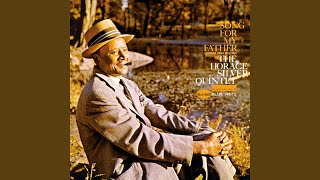
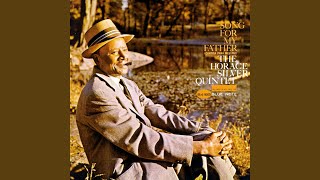
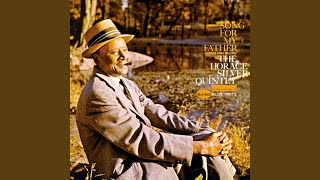
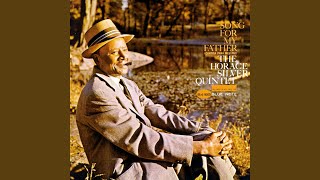
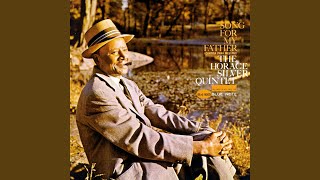
Song for My Father
AlbumHorace Silver Quintet
Artist1965
Year ReleasedRecordings
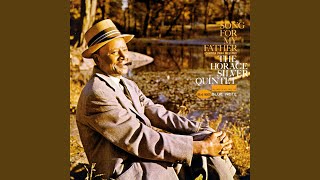
Song for My Father
Horace Silver Quintet - Song for My Father - 1964
The Natives Are Restless Tonight
Horace Silver Quintet - The Natives Are Restless Tonight - 1964
Calcutta Cutie
Horace Silver Quintet - Calcutta Cutie - 1963
Que Pasa
Horace Silver Quintet - Que Pasa - 1964
The Kicker
Horace Silver Quintet - The Kicker - 1964
Lonely Woman
Horace Silver Quintet - Lonely Woman - 1963
Sanctimonious Sam
Horace Silver Quintet - Sanctimonious Sam - 1963
Que Pasa (Trio Version)
Horace Silver Quintet - Que Pasa - 1963
Singin' and Cryin'
Horace Silver Quintet - Singin' and Cryin' - 1964

Silver Treads Among the Soul
Horace Silver Quintet - Silver Treads Among the Soul - 1964
Solos
Calcutta Cutie

Horace Silver - Piano solo - 1963
4/4 latin in F minor at 145 BPM

Roy Brooks - Drums solo - 1963
4/4 latin in F minor at 143 BPM
Lonely Woman
Horace Silver - Piano solo - 1963
4/4 ballad in E♭ minor at 54 BPM
Que Pasa
Horace Silver - Piano solo - 1964
4/4 latin in D♭ minor at 140 BPM

Joe Henderson - Tenor Sax solo - 1964
4/4 latin in D♭ minor at 140 BPM
Que Pasa (Trio Version)
Horace Silver - Piano solo - 1963
4/4 latin in D♭ minor at 160 BPM
Sanctimonious Sam
Horace Silver - Piano solo - 1963
3/4 swing in B♭ major at 139 BPM
Silver Treads Among the Soul
Horace Silver - Piano solo - 1964
4/4 swing in F minor at 139 BPM
Singin' and Cryin'
Horace Silver - Piano solo - 1964
4/4 swing in C minor at 96 BPM
Song for My Father
Horace Silver - Piano solo - 1964
4/4 latin in F minor at 127 BPM
Joe Henderson - Tenor Sax solo - 1964
4/4 latin in F minor at 128 BPM
The Kicker
Joe Henderson - Tenor Sax solo - 1964
4/4 swing in B♭ major at 261 BPM

Carmell Jones - Trumpet solo - 1964
4/4 swing in B♭ major at 262 BPM
Horace Silver - Piano solo - 1964
4/4 swing in B♭ major at 266 BPM

Roger Humphries - Drums solo - 1964
4/4 swing in B♭ major at 271 BPM
The Natives Are Restless Tonight
Carmell Jones - Trumpet solo - 1964
4/4 swing in G minor at 287 BPM
Joe Henderson - Tenor Sax solo - 1964
4/4 swing in G minor at 288 BPM
Horace Silver - Piano solo - 1964
4/4 swing in G minor at 288 BPM

Teddy Smith - Acoustic Bass solo - 1964
4/4 swing in G minor at 291 BPM
Roger Humphries - Drums solo - 1964
4/4 swing in G minor at 299 BPM